A new air conditioning system is one of the most important investments you can make in your property’s comfort and energy efficiency. However, even the highest-rated equipment can underperform if it isn’t installed correctly. Proper installation affects everything from cooling performance and indoor air quality to utility costs and the lifespan of your HVAC system.
Whether you’re a homeowner replacing an aging unit, a property manager overseeing multiple buildings, or a business owner upgrading commercial equipment, understanding what makes a quality installation can help you make informed decisions. If you’re considering AC installation Salem, OR, these professional tips will help ensure your new system delivers reliable performance for years to come.
1. Choose the Right System Size
One of the biggest installation mistakes is selecting an air conditioner that’s either too large or too small for the building.
Professional HVAC contractors perform a detailed load calculation that considers square footage, insulation, windows, ceiling height, occupancy, and Salem’s seasonal climate. Proper sizing improves comfort, controls humidity, and helps reduce unnecessary wear on the equipment.
2. Evaluate Existing Ductwork
Installing a new air conditioner without inspecting the duct system often limits overall performance.
Leaky, poorly insulated, or undersized ducts can reduce airflow and force the new system to work harder. Before any AC installation Salem, OR project begins, experienced technicians should inspect the ductwork and recommend improvements if needed.
3. Consider Mini Split Installation for Flexible Cooling
Not every property requires a traditional central air system.
For home additions, garages, older homes without ductwork, or individual office spaces, mini split installation offers an efficient alternative. These systems provide zoned temperature control while minimizing energy loss associated with ductwork.
Choosing the right system depends on your property’s layout and cooling needs rather than simply following popular trends.
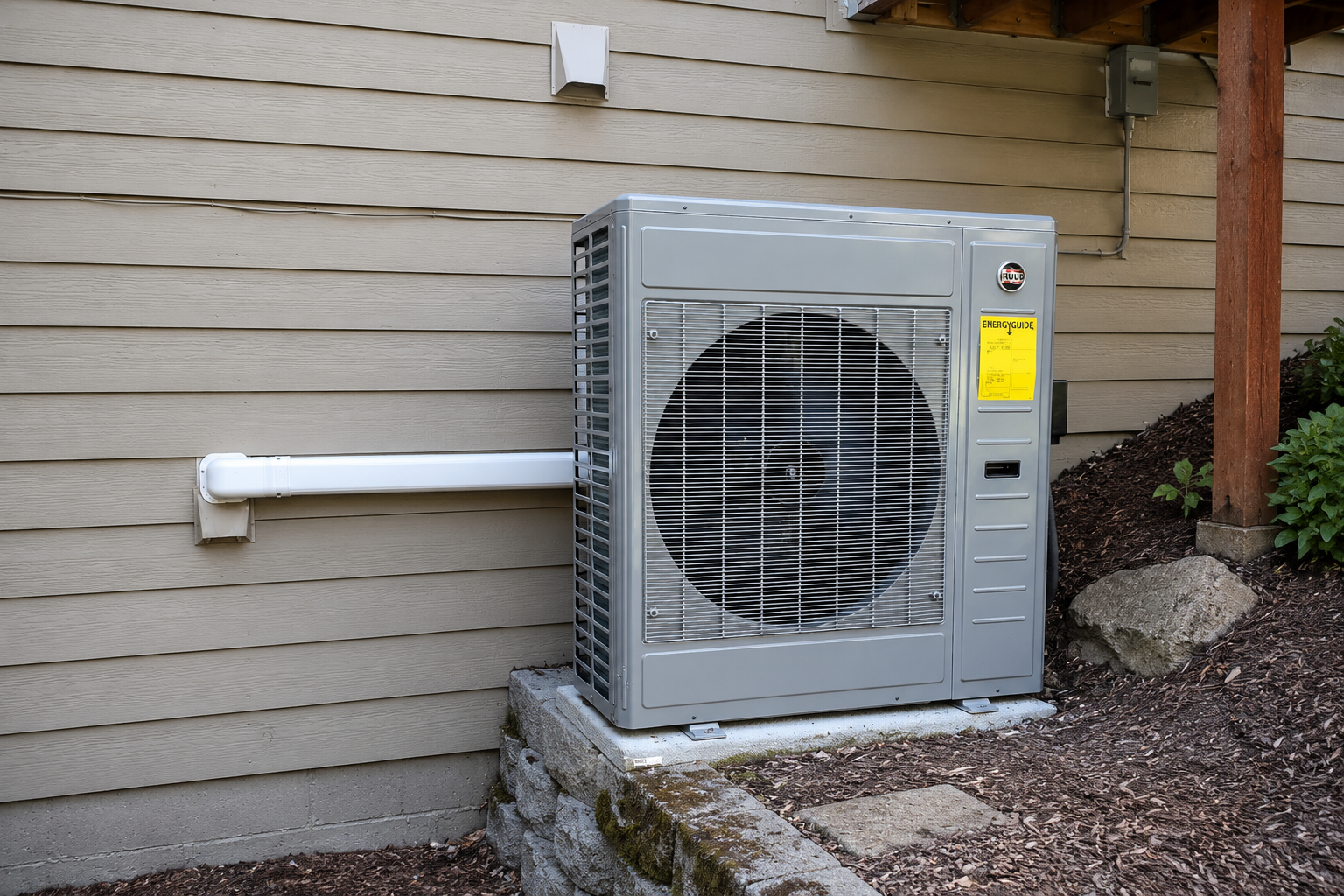
4. Install the Outdoor Unit Correctly
The outdoor condenser requires adequate clearance for proper airflow.
Professional installers avoid placing units too close to walls, shrubs, or fences that restrict ventilation. A level foundation and proper drainage also help protect the equipment from vibration, standing water, and premature wear.
Small installation details like these often make a noticeable difference in long-term performance.
5. Verify Refrigerant Levels
Modern air conditioning systems require precise refrigerant charging.
Too much or too little refrigerant can reduce cooling capacity, increase energy consumption, and shorten compressor life. Qualified technicians use manufacturer specifications and testing equipment to verify correct refrigerant levels during installation rather than relying on estimates.
6. Don’t Overlook the Thermostat
Even the most efficient air conditioner cannot perform well with an outdated or malfunctioning thermostat.
Many homeowners overlook thermostat repair or replacement when installing new equipment. Upgrading to a programmable or smart thermostat allows better temperature control, improved energy efficiency, and more consistent indoor comfort throughout the year.
7. Inspect Electrical Components
Safe and reliable operation begins with proper electrical installation.
Professionals verify breaker sizing, wiring integrity, disconnect switches, grounding, and voltage before starting the new system. Addressing electrical concerns during installation helps prevent nuisance shutdowns and future service calls.
8. Test Airflow Throughout the Building
Comfort depends on more than cold air—it depends on balanced airflow.
After installation, technicians should measure airflow at supply and return vents to identify restrictions or uneven distribution. Proper airflow helps eliminate hot and cold spots while reducing unnecessary strain on the HVAC system.
9. Schedule Routine AC Maintenance
Installation is only the beginning of long-term system performance.
Annual AC maintenance helps preserve efficiency, extend equipment life, and identify small issues before they become expensive repairs. In Salem, scheduling maintenance in early spring prepares the system for the warmer months ahead and helps ensure dependable cooling during peak demand.
Routine inspections also protect the investment you’ve made in your new equipment.
10. Address Small Problems Before They Become Major Repairs
Even a professionally installed system will eventually experience normal wear.
Ignoring unusual noises, weak airflow, inconsistent temperatures, or higher utility bills often leads to more extensive AC repair later. Prompt service allows technicians to correct minor issues before they affect other components or reduce overall system efficiency.
A proactive approach keeps your cooling system operating at its best while minimizing unexpected downtime.
Why Local HVAC Experience Matters in Salem
Salem’s climate presents unique cooling demands throughout the year. While summers are generally moderate, extended warm periods can place significant stress on aging HVAC systems. Local contractors understand regional weather patterns, common residential construction styles, and the airflow challenges found in both historic homes and modern energy-efficient buildings.
Choosing professionals familiar with AC installation Salem, OR, ensures your system is designed and installed with local conditions in mind rather than relying on generic installation practices.
Final Thoughts
A successful air conditioning installation involves much more than replacing equipment. Proper sizing, careful duct evaluation, accurate refrigerant charging, balanced airflow, and ongoing maintenance all contribute to long-term comfort and efficiency.
Whether you’re investing in a traditional central air system, exploring mini-split installation, scheduling AC maintenance, addressing thermostat repair, or trying to avoid future AC repair, working with experienced HVAC professionals helps protect your investment from day one.
By focusing on quality installation and preventive care, homeowners, commercial property owners, property managers, and small business owners can enjoy lower operating costs, improved indoor comfort, and dependable cooling performance for many years.
The registration was so quick and the welcome bonus is actually generous. I am really enjoying the slot variety here. Definitely visit 55vip777loginregister to get started.
Honestly the best experience I’ve had in a while. The games are super addictive and everything loads instantly. Love the vibe here at ph711jili
Solid platform with a great community vibe. It is always exciting to see who is winning today. I am really enjoying bdtak999.
If you love slots, this is the spot. The bonuses are actually useful and not just bait. Big shoutout to brslotmestre for the great experience.
[5958]ixbet: Cara daftar dan download APK slot online cuci,Sertai ixbet untuk akses slot online paling cuci. Mudah casino deposit tng ewallet dan belajar cara main baccarat online. Daftar akaun anda sekarang! visit: ixbet