Smoke damage can affect a home long after the flames have been extinguished. Even a small fire can leave soot on walls, a persistent odor in furniture, and residue inside ventilation systems. Knowing what to do in the first few hours can help prevent additional damage and make the restoration process more manageable.
For homeowners, landlords, property managers, and business owners in Portland, Oregon, the priority should be safety, proper documentation, and a careful assessment of the affected areas. Acting quickly matters, but rushing into cleanup without understanding the damage can create additional problems.
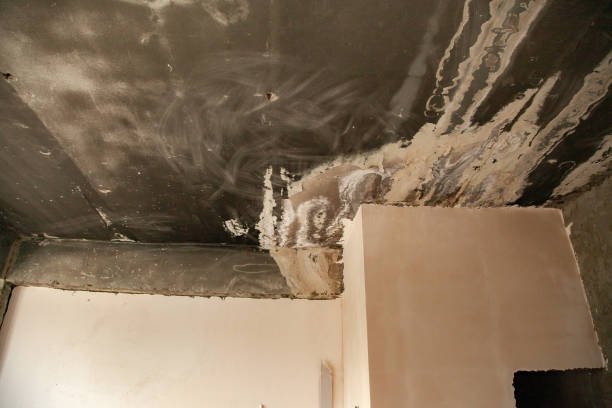
1. Make Sure the Property Is Safe to Enter
Before inspecting smoke damage, confirm that firefighters or other qualified authorities have cleared the property for re-entry. A room that looks relatively undamaged may still contain structural hazards, electrical problems, or harmful combustion residues.
Smoke can contain fine particles and chemicals that irritate the eyes, skin, and respiratory system. Damaged wiring, weakened ceilings, and unstable building materials can also pose risks.
If the fire affected electrical equipment, the attic, or structural components, do not assume everything is safe because the flames are gone. Avoid entering restricted areas, and keep children and pets away from affected rooms.
In Portland’s older homes, smoke may travel through wall cavities, crawlspaces, and attic openings. A visible soot mark in one room does not necessarily indicate the full extent of the damage.
2. Contact Your Insurance Company and Document the Damage
Once the property is safe, contact your insurance provider and ask about the next steps for filing a claim. Before moving damaged belongings or beginning extensive cleanup, take photographs and videos of affected rooms, furniture, appliances, and visible soot deposits.
Keep receipts for temporary accommodation, emergency supplies, and other eligible expenses. Make a list of damaged belongings, including their approximate age and value where possible.
One mistake property owners make is cleaning everything immediately because they want the house to feel normal again. Unfortunately, this can remove evidence that may help document the extent of the loss.
Follow your insurer’s instructions while taking reasonable steps to prevent further damage. If emergency work is necessary, keep records of the work performed and the associated costs.
3. Avoid Wiping Soot With Ordinary Household Cleaners
Soot is not simply ordinary dust. Depending on the materials burned, it may contain oily or acidic residues that can stain surfaces, damage finishes, and spread when handled incorrectly.
Rubbing a soot-covered wall with a wet cloth can smear the residue and push it deeper into porous paint or wallpaper. Using the wrong cleaning product may also cause discoloration or permanent staining.
For this reason, avoid aggressive scrubbing, household sprays, and improvised cleaning methods on heavily affected surfaces. Do not use ordinary household vacuums to collect fine soot, as they may redistribute particles into the air.
Professional smoke cleanup methods depend on the surface, the type of residue, and the severity of the fire. Some materials can be cleaned, while others may require sealing, refinishing, or replacement.
4. Address Smoke Odors at Their Source
A lingering smoke smell often indicates that odor-producing particles remain somewhere in the property. These particles can settle into carpets, upholstery, insulation, unfinished wood, and other porous materials.
Opening windows may improve ventilation when outdoor conditions are suitable, but ventilation alone rarely resolves significant smoke contamination. Air fresheners and scented sprays can temporarily mask odors without removing the underlying residue.
Portland’s damp weather adds another consideration. Introducing excessive moisture during cleanup can slow drying and contribute to secondary moisture problems, especially in enclosed areas with limited airflow.
Effective smoke odor removal typically starts with identifying contaminated materials, removing residue, and determining which items can be salvaged. Depending on the situation, restoration professionals may use specialized cleaning methods, air filtration, or other appropriate odor-control treatments.
5. Check Hidden Areas, Not Just Visible Surfaces
Smoke can travel farther than many property owners expect. HVAC systems, return-air pathways, ceiling cavities, and adjoining rooms may contain contamination even when their surfaces appear clean.
For example, a fire in a kitchen can affect nearby living spaces through open doorways and air movement. If the HVAC system operated during the incident, smoke particles may also have reached filters or other parts of the system.
Do not run potentially contaminated HVAC equipment simply to clear the smell. Have it assessed when smoke may have entered the system, and replace affected filters as appropriate.
A thorough inspection is particularly important for rental properties and commercial buildings, where contamination may extend into neighboring units or shared ventilation systems.
6. Know When to Call a Restoration Professional
Professional assessment is worth considering whenever smoke has spread beyond a small, isolated area, odors persist, soot covers multiple surfaces, or the fire involved plastics, synthetic materials, or building components.
A qualified restoration team typically evaluates the affected areas, identifies salvageable materials, determines cleaning requirements, and develops a plan for removing contamination. Depending on the damage, the process may include contents cleaning, surface treatment, HVAC assessment, odor control, and repairs.
If you are researching smoke restoration Portland OR, look for a provider that can explain its assessment process, cleaning methods, safety precautions, and documentation practices. Ask how the team distinguishes between materials that can be restored and those that need replacement.
For more extensive incidents, fire damage restoration Portland OR services may also be necessary to address damaged building materials, water left by firefighting efforts, and repairs beyond smoke cleanup.
7. Prevent Further Damage While Planning Restoration
While waiting for an assessment, avoid unnecessary movement of contaminated belongings and keep unaffected areas separate where practical. Do not handle burned electrical equipment, remove damaged insulation, or enter areas that have not been cleared as safe.
If water was used to extinguish the fire, report wet carpets, walls, and ceilings promptly. Smoke contamination and moisture damage can occur together, requiring coordinated cleanup and drying.
Property managers and landlords should also document affected units, communicate appropriate safety restrictions to occupants, and maintain records of inspections and repair work. Business owners may need to coordinate restoration with insurers, employees, and building management before reopening.
Take the Right First Steps After Smoke Damage
After smoke damage, prioritize safety, document the loss, avoid improper cleaning, and arrange a professional assessment when contamination is more than minor. Early, informed decisions can help protect belongings, limit secondary damage, and clarify what restoration work is necessary.
Whether you own a house, manage rental properties, or operate a business in Portland, understanding the difference between visible soot and hidden contamination is essential. A careful assessment provides a clearer path toward a clean, safe, and properly restored property.