When a fire is extinguished, most property owners feel that the worst part is over. However, the damage inside a home or commercial building can continue long after the flames are gone. Smoke residue settles on surfaces, water from firefighting efforts remains in walls and flooring, and weakened materials may deteriorate if they are not properly assessed.
Delaying fire damage restoration in Portland, OR can turn an already stressful situation into a more complicated repair project. Understanding what happens after a fire helps homeowners, landlords, and business owners make better decisions about protecting their properties.
1. Smoke and Soot Continue Affecting Surfaces
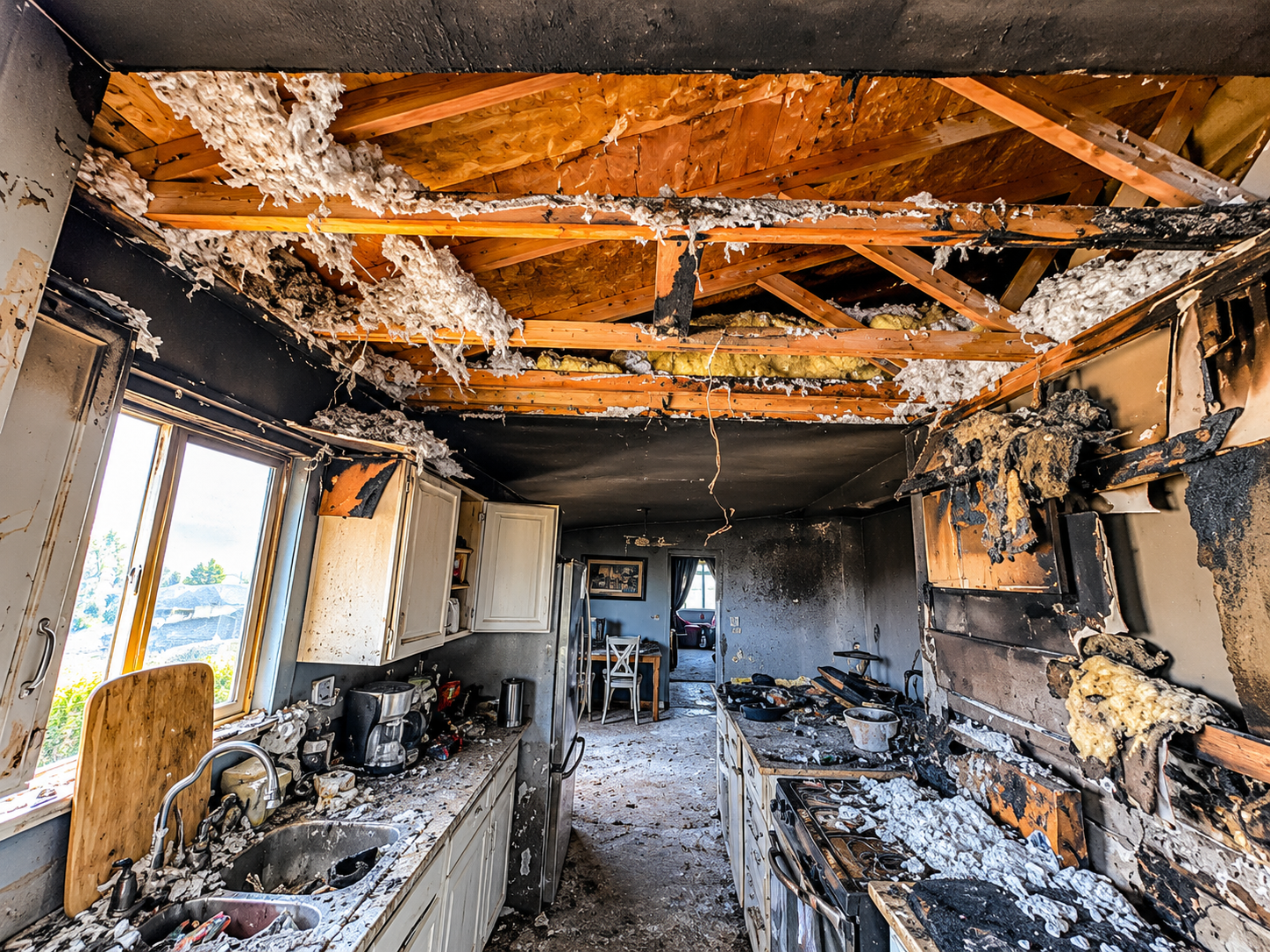
One of the most common mistakes after a fire is assuming that visible soot is the only problem. Smoke travels through doorways, ventilation systems, ceiling spaces, and small openings. Even rooms that appear untouched may contain smoke residue.
Soot can settle on walls, ceilings, furniture, electronics, and personal belongings. Depending on the materials burned, this residue may be acidic or oily. If it remains untreated, it can stain surfaces, damage finishes, and become more difficult to remove.
I’ve seen situations where a room looked relatively clean from the doorway, but closer inspection revealed residue on cabinet interiors, light fixtures, and air vents. Waiting too long to address these areas can make cleaning more complicated.
2. Water From Firefighting Can Create Additional Damage
Fire suppression often introduces another problem: water damage. Firefighters may use significant amounts of water to control a fire, leaving carpets, insulation, drywall, and wooden structures wet.
If moisture remains trapped, it can cause materials to swell, weaken, or deteriorate. Damp conditions can also encourage mold growth, particularly when affected areas are not dried properly.
Portland’s rainy climate makes moisture management especially important. A fire-damaged building may already have compromised windows, roofing, or exterior openings. Rain entering through these areas can add to the moisture left behind by firefighting efforts.
Professional fire restoration should therefore include moisture inspection and appropriate drying, not just visible soot cleanup.
3. Smoke Odors Can Spread Throughout the Property
A persistent smoke smell is not always a surface-cleaning issue. Smoke particles can penetrate porous materials such as upholstery, carpeting, insulation, unfinished wood, and drywall.
Opening windows or using household air fresheners may temporarily reduce the smell, but these steps do not remove the residue causing it.
When cleanup is postponed, smoke particles may remain embedded in materials and continue affecting indoor air quality. Restoration professionals evaluate where the odor is coming from before selecting cleaning methods or deciding whether materials need replacement.
This is particularly important in rental properties, offices, and commercial buildings where occupants may need to return safely.
4. Structural Problems May Go Undetected
Not all fire damage is visible. Heat can affect framing, roof supports, electrical components, and other building materials. A wall may appear intact while concealed areas have experienced significant heat exposure.
Waiting to arrange an inspection can delay the identification of these problems. Damaged electrical wiring, weakened structural components, or compromised insulation should not be overlooked simply because the property looks stable.
Property owners should avoid entering areas that firefighters or building officials have declared unsafe. A qualified inspection can help determine which areas require further evaluation before repairs begin.
5. Delayed Restoration Can Increase Overall Repair Costs
A small, manageable problem can become more expensive when secondary damage develops. For example, moisture left inside flooring may eventually require material removal. Smoke residue that remains on painted surfaces may need specialized cleaning or refinishing.
Delays can also complicate insurance documentation. Photos, inspection reports, and records of damaged belongings help establish the condition of the property after the incident.
Property owners should document visible damage, keep receipts for emergency expenses, and contact their insurance provider promptly. Avoid discarding damaged items before documenting them, unless they present an immediate safety or health risk.
6. Commercial Properties May Face Longer Business Interruptions
For business owners and property managers, delayed restoration can affect more than the building itself. Smoke odors, damaged inventory, wet flooring, and unsafe electrical systems may prevent employees and customers from returning.
A restaurant, retail store, warehouse, or office may also have equipment and inventory that require specialized cleaning or assessment.
A coordinated restoration plan helps identify priority areas, determine what can be cleaned or salvaged, and establish which repairs are necessary before reopening. Property managers should communicate with tenants and document inspection and restoration progress.
What Should You Do After Fire Damage?
Once authorities confirm that the property is safe to approach, consider these steps:
- Document the damage: Take photographs and videos for insurance records.
- Avoid touching soot: Rubbing contaminated surfaces can spread residue and make cleaning harder.
- Keep moisture under control: Report wet materials and signs of water intrusion.
- Protect unaffected areas: Limit unnecessary movement through damaged spaces.
- Arrange a professional assessment: Have smoke, soot, moisture, and structural concerns evaluated.
Avoid switching on electrical systems or HVAC equipment until they have been checked when affected by fire, smoke, or water.
Why Timely Fire Restoration Matters in Portland
Prompt action does not mean rushing into repairs. It means arranging the right inspection and stabilization work before secondary damage develops.
When evaluating fire damage restoration in Portland, OR, property owners should look for experienced professionals who understand smoke residue removal, water extraction, structural drying, odor treatment, and the cleaning or removal of damaged materials. Searching for fire experts in Portland should involve checking relevant experience, insurance, and the company’s restoration process rather than relying on response time alone.
Fire restoration is about more than making a property look clean again. It involves identifying hidden damage, preventing further deterioration, and determining what can safely be restored.
The sooner these issues are assessed, the more options property owners may have for protecting their buildings, belongings, and plans for recovery.