An air conditioner rarely stops working without showing some warning signs first. It may take longer to cool the house, make an unfamiliar noise, leak water, or run continuously without reaching the thermostat setting. These problems can seem minor at first, but ignoring them can lead to reduced cooling performance, additional equipment damage, and uncomfortable indoor conditions.
For homeowners and property managers in Salem, Oregon, recognizing these warning signs early can make a real difference. Warm summer weather puts extra demand on cooling equipment, while seasonal dust, pollen, and moisture can also affect system performance. Understanding what your AC is telling you can help you decide when a simple check is enough and when professional AC repair is needed.
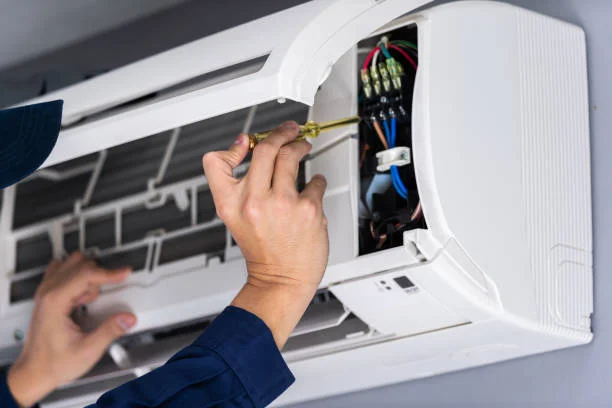
1. Your AC Runs but Does Not Cool Properly
One of the most common complaints technicians hear is that the air conditioner is running, but the home still feels warm. In many cases, restricted airflow is the first thing worth checking.
A dirty air filter can prevent enough air from moving through the system. Blocked return vents, dirty indoor coils, or problems with the outdoor unit can also affect cooling. Low refrigerant caused by a leak is another possibility, particularly when cooling performance has gradually declined.
Start by checking the air filter and making sure supply and return vents are not blocked by furniture. If the system continues blowing warm air, arrange a professional inspection rather than repeatedly lowering the thermostat.
2. Weak Airflow From the Vents
If some rooms feel comfortable while others remain warm, your system may have an airflow problem. A clogged filter is a common cause, but the issue can also involve damaged ductwork, a blower motor problem, or an improperly balanced duct system.
I have found that homeowners sometimes assume the AC unit is failing when the actual problem is somewhere in the air distribution system. A disconnected or leaking duct can waste cooled air before it reaches the room.
A technician can inspect the blower, duct connections, filters, and airflow levels to identify the cause. This is especially useful for larger homes and commercial properties with multiple rooms or zones.
3. Unusual Noises During Operation
Air conditioners make some operating noise, but sudden changes should not be ignored. Rattling may indicate loose panels or components, while buzzing can point to an electrical issue. Grinding or scraping sounds may suggest a problem with a motor or moving part.
Turn the system off if you hear loud grinding, burning sounds, or repeated electrical buzzing. Avoid opening electrical compartments or attempting to tighten internal components yourself. A qualified technician can identify whether the noise comes from a loose part, fan assembly, motor, or electrical connection.
Addressing unusual sounds early may prevent a smaller mechanical problem from causing further damage.
4. Water Leaking Around the Indoor Unit
Water near an indoor AC unit is another warning sign. Most central air conditioners remove moisture from indoor air and carry it away through a condensate drain line. If that line becomes clogged with dirt, algae, or debris, water may back up and overflow.
A damaged drain pan or improperly installed drain line can create similar symptoms. Left unattended, a leak may damage nearby flooring, ceilings, insulation, or walls.
If you notice water around the equipment, switch the system off and arrange an inspection. Regular AC maintenance should include checking the condensate drain and confirming that water is draining properly.
5. The AC Turns On and Off Frequently
Short cycling happens when an air conditioner repeatedly starts and stops without completing a normal cooling cycle. This can result from a dirty filter, thermostat problems, restricted airflow, an oversized system, or an electrical or refrigerant-related issue.
Frequent starts place additional strain on components such as the compressor and can make indoor temperatures less consistent. If the system keeps cycling, avoid assuming that changing the thermostat setting will solve it.
A technician can check thermostat placement, airflow, system controls, and equipment sizing to determine why the cooling cycle is being interrupted.
6. Rising Energy Bills Without Better Cooling
An unexpected increase in electricity use may indicate that your AC is working harder than necessary. Dirty coils, restricted airflow, failing components, incorrect thermostat settings, or duct leakage can all reduce system efficiency.
For Salem homeowners, it is worth comparing energy use with previous months while accounting for changes in weather and occupancy. If the bill rises while cooling performance gets worse, have the equipment inspected.
For commercial property owners and landlords, inefficient cooling can affect operating expenses across several rooms or units. Timely repairs and scheduled inspections can help identify developing problems before they disrupt daily operations.
7. Poor Indoor Air Quality and Unusual Odors
Your cooling system circulates indoor air, so problems with filtration, moisture control, or drainage can affect comfort beyond temperature. Dust buildup, dirty filters, and moisture around the equipment may contribute to unpleasant odors or increased indoor dust.
A musty smell can indicate moisture-related concerns that deserve investigation. A burning odor or electrical smell requires more immediate attention: turn the system off and contact a qualified professional.
Good filtration, appropriate ventilation, and clean equipment support better indoor air quality. If dust or odors persist, an HVAC professional can inspect the filter, drain system, coils, and ventilation conditions.
When Should You Call for Professional AC Repair in Salem, OR?
You should arrange professional service when your AC repeatedly fails to cool, produces unusual noises, leaks water, trips a breaker, or cycles on and off frequently. If the problem causes a complete cooling failure during hot weather, emergency HVAC repair Salem services may be necessary, particularly for vulnerable occupants or businesses that depend on indoor temperature control.
A proper diagnostic visit should involve more than simply adding refrigerant or replacing a part. The technician should inspect the symptoms, test relevant components, check airflow, and explain the findings before recommending repairs.
If a system is old and experiencing repeated major failures, it may also be worth comparing repair costs with the benefits of AC installation. The right decision depends on equipment condition, repair history, efficiency, and the property’s cooling needs.
Keep Small AC Problems From Becoming Major Repairs
Most air conditioning problems become easier to address when warning signs are recognized early. Check filters regularly, keep outdoor equipment clear of leaves and debris, avoid blocking vents, and schedule professional maintenance before the cooling season.
For homeowners, commercial property owners, and landlords in Salem, a reliable cooling system depends on proper installation, routine care, and timely repairs. Paying attention to changes in performance can help protect equipment, maintain comfort, and reduce the likelihood of unexpected breakdowns.