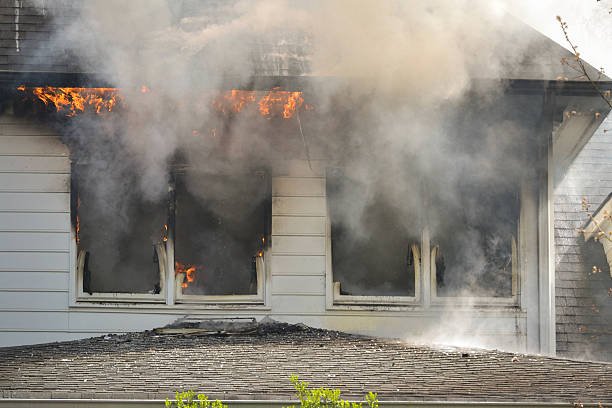
Smoke damage can be more complicated than the fire itself. A relatively small fire may leave walls standing and belongings intact, yet smoke can travel through doorways, HVAC systems, wall cavities, and attic spaces. In Portland homes, where older construction, enclosed spaces, and damp seasonal conditions can complicate cleanup, proper smoke restoration requires more than wiping down visible soot.
After years of dealing with fire and smoke damage restoration professionals learn to look beyond what is immediately visible. These seven tips can help homeowners, landlords, property managers, and business owners make better decisions after a fire.
1. Don’t Judge Smoke Damage by What You Can See
One of the most common mistakes is assuming that a room is unaffected because the walls look clean.
Smoke particles can settle inside cabinets, closets, insulation, flooring materials, electrical fixtures, and HVAC components. Different types of smoke also leave different residues. Protein-based fires, for example, can produce strong odors with relatively little visible soot, while other fires may leave heavy, oily deposits.
A simple visual inspection is useful, but it shouldn’t be the only assessment.
2. Address the Smoke Odor at Its Source
Air fresheners and household cleaners may temporarily mask smoke odor, but they don’t remove the contamination causing it.
Smoke odors can become trapped in porous materials such as carpeting, upholstery, drywall, wood, and insulation. Portland’s changing humidity can also make lingering odors more noticeable at different times.
Professional smoke restoration may involve specialized cleaning agents, HEPA filtration, thermal cleaning techniques, or odor-control treatments depending on the materials and extent of contamination.
The right treatment depends on identifying where the odor is actually coming from.
3. Have the HVAC System Inspected
We’ve seen situations where the fire was limited to one area, but smoke traveled much farther through the heating and cooling system.
If contaminated air passed through supply and return ducts, soot and odor can potentially be distributed throughout the property. Simply replacing an air filter may not address contamination inside accessible ductwork or HVAC components.
Before turning the system back on extensively, have it evaluated if smoke entered the mechanical system. This is particularly important for larger homes, apartment buildings, offices, and commercial properties.
4. Don’t Start Major Repairs Too Quickly
It can be tempting to repaint walls, replace flooring, or throw away damaged belongings immediately. Sometimes that is appropriate, but rushing can make restoration more difficult.
Document the condition of the property first. Take photographs and videos, keep damaged materials when practical, and separate salvageable belongings from items that are clearly beyond recovery.
If insurance is involved, documentation can also help establish what was damaged and what restoration work is necessary. Property owners should follow their insurer’s instructions while avoiding unnecessary demolition before the damage has been properly assessed.
5. Watch for Water Damage After Fire Suppression
Fire damage isn’t limited to flames and smoke. Water used by firefighters can create another restoration problem.
Water may migrate beneath flooring, behind walls, or into insulation. If it isn’t addressed promptly, secondary damage such as staining, material deterioration, or microbial growth can develop.
This is one reason fire damage restoration and water damage restoration often overlap. A proper assessment should consider both smoke contamination and moisture.
6. Know Which Contents Can Be Saved
Not everything exposed to smoke needs to be thrown away.
We’ve worked on properties where clothing, furniture, documents, electronics, and other belongings initially appeared ruined but were recoverable with appropriate cleaning or specialized restoration techniques.
The material, type of smoke, temperature exposure, length of exposure, and moisture level all influence whether an item can be restored.
For valuable belongings, avoid experimenting with aggressive household chemicals. Improper cleaning can permanently damage fabrics, finishes, photographs, and other materials.
7. Get Professional Help When the Damage Goes Beyond Surface Cleaning
Minor smoke residue on a washable surface may be something a homeowner can safely clean. The situation changes when there is extensive soot, persistent odor, HVAC contamination, structural involvement, or significant water damage.
That’s where professional smoke restoration Portland OR services can make a difference. Experienced technicians can identify hidden contamination, determine which materials are salvageable, and establish a restoration plan based on the actual damage rather than appearance alone.
For homeowners and property managers, this assessment can also help prevent unnecessary replacement of materials that could have been restored.
What Should Portland Property Owners Do First?
After a fire, prioritize safety, documentation, and a thorough assessment. Don’t assume that a property is fine because the structure is still standing, and don’t assume everything needs to be demolished because it smells smoky.
For many properties, the restoration process involves several connected stages: inspection, smoke and soot removal, water mitigation where necessary, contents cleaning, odor treatment, structural cleaning, and repairs.
Whether you’re dealing with a family home, rental property, office, or small business, understanding the extent of the damage before making major decisions can save time, money, and unnecessary replacement.
If you’re researching fire damage restoration Portland OR, look for a restoration professional who can explain what is damaged, what can realistically be restored, and why a particular treatment is recommended. Good restoration work isn’t about replacing everything. It’s about carefully determining what can be cleaned, repaired, or recovered and addressing the contamination that remains.
Finally found a smooth way to get the app installed. The interface is clean and the loading speed is impressive. Definitely worth a try for anyone looking for a reliable platform. Check out 4999betappdownloadapk
[3794]সেরা অনলাইন বেটিং (557bet)-লাইভ ক্যাসিনো ও স্পোর্টস বেটিং,বাংলাদেশে সেরা অনলাইন বেটিং অভিজ্ঞতা পেতে 557bet-এ যোগ দিন। এখানে পাবেন লাইভ ক্যাসিনো, স্পোর্টস বেটিং এবং রোমাঞ্চকর সব গেম। নিরাপদ ও দ্রুত পেমেন্টের সাথে আজই খেলা শুরু করুন! visit: 557bet