A house fire can leave behind much more damage than what homeowners see immediately after the flames are extinguished. Burned walls, damaged ceilings, and charred furniture are easy to recognize, but some of the most serious problems develop in areas that appear untouched.
In our experience, smoke, soot, heat, and water used during firefighting can affect rooms far beyond the area where the fire started. A living room fire, for example, may leave smoke residue inside nearby bedrooms, insulation, wall cavities, and HVAC ductwork.
For homeowners and property managers in Portland, Oregon, understanding these hidden problems is especially important. Moisture from firefighting efforts, combined with the region’s damp weather, can make an already difficult restoration process more complicated.
Here are seven hidden problems worth checking before starting repairs.
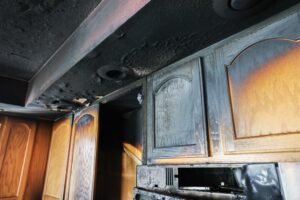
1. Smoke Residue Inside Walls and Hidden Spaces
Smoke does not stay in one room. It travels through doorways, ventilation openings, ceiling gaps, and other small spaces throughout a property.
Even when walls look relatively clean, microscopic soot particles can settle behind cabinets, inside closets, and within wall cavities. Different types of smoke residue can also react differently with building materials.
One issue we frequently see is homeowners cleaning visible soot from painted surfaces while overlooking contamination around electrical outlets, ceiling fixtures, and other hard-to-reach areas.
What to check: Look for discoloration, greasy residue, and persistent smoke odors around walls, ceilings, and enclosed spaces. A professional inspection can identify contamination that ordinary household cleaning may miss.
2. Lingering Smoke Odors in Furniture and Building Materials
A property may look clean after a fire but still have a strong smoke smell. This happens because smoke particles and odor-producing compounds can penetrate porous materials.
Carpets, upholstery, mattresses, curtains, insulation, and unfinished wood are particularly vulnerable.
Simply opening windows or using air fresheners will not remove smoke contamination trapped inside these materials.
Professional fire restoration may involve specialized cleaning, odor-control treatments, and removal of materials that cannot be successfully restored.
What to check: If the smoke smell returns after cleaning or becomes stronger when the heating system runs, contamination may remain in concealed materials or ventilation components.
3. Water Damage From Firefighting Activities
Many homeowners are surprised to discover that water damage can become a major part of fire recovery.
Firefighters often use substantial amounts of water to extinguish flames and prevent the fire from spreading. That water can soak insulation, drywall, flooring, subfloors, and structural materials.
We’ve seen situations where the fire damage was concentrated in one area, but water had traveled underneath flooring and into adjoining rooms.
In Portland, damp weather can make drying particularly challenging, especially in crawlspaces, basements, and poorly ventilated areas.
What to check: Watch for swollen baseboards, warped flooring, bubbling paint, damp drywall, and musty odors. Moisture meters can help determine whether materials are still wet beneath the surface.
4. Mold Growth Behind Walls and Under Flooring
When water from firefighting remains trapped inside building materials, mold can become another concern.
Mold may develop on damp drywall, insulation, wood framing, and flooring materials when moisture conditions remain favorable. It does not always appear immediately, and homeowners may notice a musty smell before seeing visible growth.
This is particularly concerning in properties with limited ventilation or hidden moisture in enclosed spaces.
Cleaning visible mold without identifying the moisture source usually does not solve the underlying problem.
What to check: Pay attention to persistent musty odors, visible discoloration, and materials that remain damp. If moisture is trapped behind walls or beneath flooring, professional moisture assessment and appropriate remediation may be necessary.
5. Structural Weakness Caused by Heat and Flames
A building can appear stable after a fire while still having compromised structural components.
High temperatures can weaken wooden framing, damage roof supports, affect floor joists, and compromise connections between building materials. Concrete and masonry can also experience heat-related damage.
One thing restoration professionals look for is damage extending beyond visibly burned surfaces. A ceiling that appears mostly intact, for example, may conceal damaged framing above it.
What to check: Look for sagging ceilings, cracked structural materials, damaged roof supports, and warped framing from a safe location. Never enter an unstable fire-damaged building. A qualified structural professional should assess suspected structural damage before repairs begin.
6. Contaminated HVAC Systems and Air Ducts
Heating and cooling systems can distribute smoke particles throughout a property during or after a fire.
Smoke residue may settle inside ductwork, filters, vents, and other HVAC components. If the system operates before contamination is properly assessed, particles and odors may circulate into previously unaffected rooms.
This is one reason cleaning only the rooms with visible fire damage may not be enough.
What to check: Inspect accessible vents and replace filters when safe and appropriate. Have the HVAC system evaluated before operating it if smoke contamination is suspected.
7. Corrosion and Damage to Electrical Components
Heat, soot, and moisture can affect electrical systems even when there are no obvious signs of damage.
Soot deposits may contaminate electrical components, while water from firefighting can reach wiring, outlets, switches, and electrical panels. Heat can also damage insulation around electrical conductors.
These issues may create problems that are not immediately noticeable.
What to check: Do not attempt to test or repair fire-affected wiring yourself. Have a licensed electrician inspect affected electrical components before restoring power to damaged areas.
Why Professional Fire Damage Restoration Matters
Hidden fire damage can make rebuilding more complicated when it is overlooked during the initial cleanup.
Professional fire damage restoration typically begins with a detailed assessment of visible and concealed damage. Depending on the property, the process may include:
-
Inspection of smoke, soot, heat, and water damage.
-
Moisture detection and structural drying.
-
Removal of materials that cannot be safely restored.
-
Specialized cleaning of affected surfaces and contents.
-
Odor removal and HVAC contamination assessment.
-
Coordination with qualified electricians and structural professionals.
For property owners researching fire damage restoration Portland OR, choosing a restoration provider that understands both fire and secondary water damage is essential.
Experienced fire experts in Portland should be able to explain what needs cleaning, what requires removal, and which repairs need additional specialist assessment.
Don’t Overlook the Damage You Cannot See
A house fire does not end when the flames are extinguished. Smoke residue, trapped moisture, structural weakness, and electrical contamination can continue affecting a property long after the initial emergency.
For homeowners, commercial property owners, and landlords in Portland, identifying these problems early can help prevent additional damage and make the rebuilding process more manageable.
The best approach is to have the property properly assessed before covering damaged areas with new drywall, flooring, or paint. Addressing hidden problems first helps create a safer, more complete, and longer-lasting restoration.