Plumbing problems rarely happen at a convenient time. A pipe may start leaking overnight, a toilet may overflow during business hours, or several drains may suddenly stop working at once. The challenge is knowing which problems can wait for a scheduled appointment and which need immediate attention.
For homeowners and commercial property owners in Vancouver, WA, recognizing the warning signs early can help limit water damage, protect indoor spaces, and prevent disruptions to daily routines or business operations. In my experience, the most important thing is not to diagnose every plumbing problem yourself. It is to recognize when the situation is getting worse and take safe steps to control it.
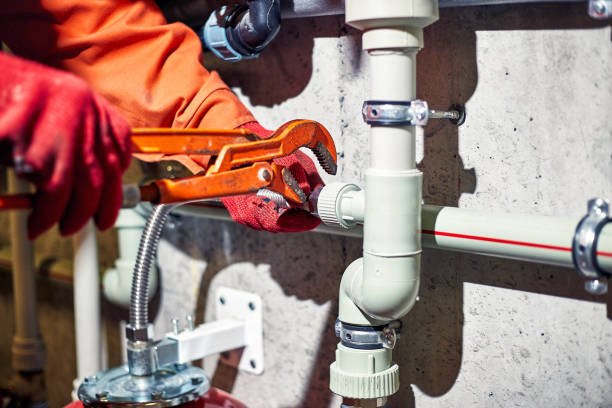
1. A Burst Pipe or Uncontrolled Water Leak
A burst pipe is one of the clearest reasons to seek emergency plumbing help. Water may spray from a damaged supply line, collect beneath a sink, soak flooring, or appear through a ceiling or wall.
Pipes can fail because of corrosion, worn connections, excessive pressure, or freezing temperatures. During cold snaps in the Vancouver area, pipes in exposed crawl spaces, garages, and poorly insulated areas deserve particular attention.
If water is spreading, shut off the main water supply if you can safely reach the valve. Keep away from standing water near electrical outlets or equipment. Professional leak repair services can identify the source and determine whether the damaged section needs repair or replacement.
2. Water Stains, Damp Walls, or a Sagging Ceiling
Not every serious leak begins with a burst pipe. Sometimes, the first clues are bubbling paint, a musty smell, unexplained damp flooring, or a brown stain spreading across the ceiling.
These symptoms may indicate a leaking pipe hidden behind drywall, beneath a floor, or above a finished ceiling. The visible damage does not always reveal where the leak began, so replacing the damaged surface before locating the source can lead to repeat problems.
If a ceiling is bulging or sagging, keep people away from the area. If water is near electrical equipment, do not enter the affected area to investigate. Arrange urgent professional assessment when the leak is active or the damage is progressing.
3. Sewage Backing Up Into Your Home or Business
A sewage backup requires prompt attention because wastewater can contaminate floors and other surfaces. You might notice a toilet overflowing, wastewater rising through a shower drain, or a foul odor coming from several fixtures.
One useful clue is whether multiple drains are affected at the same time. If a toilet bubbles when a nearby sink drains, or water rises in a tub after flushing, the blockage may be farther down a shared drain or main sewer line.
Avoid running taps, flushing toilets, or operating appliances that discharge water. Keep children, customers, employees, and pets away from contaminated areas. A professional inspection can determine whether the problem requires drain clearing or more extensive sewer line repair.
4. Several Drains Become Slow or Stop Working
A single slow bathroom sink often points to a localized clog. When several fixtures begin draining poorly together, the problem may involve a larger section of the drainage system.
Grease, accumulated debris, intrusive tree roots, and damaged pipe sections can all restrict wastewater flow. In established Vancouver neighborhoods, older sewer laterals may also have deteriorated joints or other defects that contribute to recurring blockages.
Repeatedly using chemical drain cleaners may not resolve the underlying cause and can complicate later repairs. If several fixtures are backing up, stop using water and arrange a professional diagnosis before the blockage becomes a full backup.
5. Your Water Heater Is Leaking or Showing Dangerous Symptoms
A small amount of condensation is different from water pooling around the base of a water heater. A growing puddle, continuous discharge from a relief pipe, or a tank that appears to be leaking deserves prompt investigation.
A failed connection or valve may be repairable, while a leaking storage tank may require replacement. Unusual hissing, smoke, or a gas odor calls for extra caution. If you smell gas, leave the building without operating switches or flames and contact the appropriate emergency service from a safe location.
Not every loss of hot water is an emergency. However, active flooding, suspected gas problems, or symptoms that threaten safety should never be treated as routine maintenance.
6. Your Property Suddenly Loses Water Pressure or Running Water
A sudden drop in water pressure can result from a supply interruption, a faulty valve, a damaged pipe, or a significant leak. If every faucet stops working unexpectedly, check whether nearby properties are affected or whether the water provider has reported an outage.
If the pressure loss occurs alongside damp walls, running-water sounds, or an unexplained increase in water usage, a hidden leak may be responsible. Avoid assuming the issue is simply a faulty fixture when the whole building is affected.
For landlords and property managers, document which units or fixtures are affected. This information can help a plumber narrow down the problem and determine the next diagnostic steps.
7. An Urgent Plumbing Problem Is Disrupting Business Operations
A plumbing issue can become an operational emergency when it affects essential sanitation, creates a flooding risk, or makes part of a commercial property unsafe to use.
For example, an overflowing restroom in a restaurant, a sewer backup in a multi-unit building, or a major leak above a retail space may require immediate action. Property managers should know where the main shutoff is located and have a clear process for reporting leaks, isolating affected areas, and contacting maintenance professionals.
Depending on the building’s condition, recurring pipe failures may also indicate the need for re-piping plumbing services rather than repeated repairs to aging sections. A qualified plumber can assess the existing pipes and explain whether targeted repairs or a broader replacement is appropriate.
What Should You Do Before the Emergency Plumber Arrives?
Take these practical steps if it is safe to do so:
- Shut off the affected fixture’s valve or the main water supply if water is escaping.
- Stop using water if sewage is backing up through multiple drains.
- Keep people away from contaminated water and areas near electrical hazards.
- Move belongings away from the affected area without putting yourself at risk.
- Note when the problem started, which fixtures are affected, and what you have already tried.
- Avoid opening unfamiliar sewer cleanouts or attempting repairs involving gas lines or electrical equipment.
When choosing an emergency plumber in Vancouver, WA, explain the symptoms clearly and ask what the assessment and repair process will involve. A reliable diagnosis should identify the likely source, outline the recommended work, and distinguish an immediate repair from any longer-term improvements.
Recognize the Warning Signs Before Damage Spreads
A burst pipe, spreading leak, sewage backup, or plumbing failure that threatens safe use of a property should not wait for routine maintenance. Other issues, such as an isolated slow drain or a contained drip, may be less urgent if they can be safely controlled.
Knowing the difference helps you make better decisions under pressure. Whether you own a home, manage rental properties, or operate a business in Vancouver, WA, responding promptly to serious warning signs can help limit damage and restore reliable plumbing sooner.