Getting locked out of a home, rental property, office, or vehicle can turn an ordinary day into a stressful one. In Richmond, Indiana, a lockout can happen for simple reasons: a key left inside, a worn key that breaks, a door that closes behind you, or a malfunctioning electronic lock.
After years of dealing with lockouts, I’ve learned that the first few minutes matter. Rushing can turn a simple lockout into a damaged lock, broken window, or unnecessary repair bill.
Before searching for a locksmith Richmond Indiana, there are a few sensible steps worth taking.
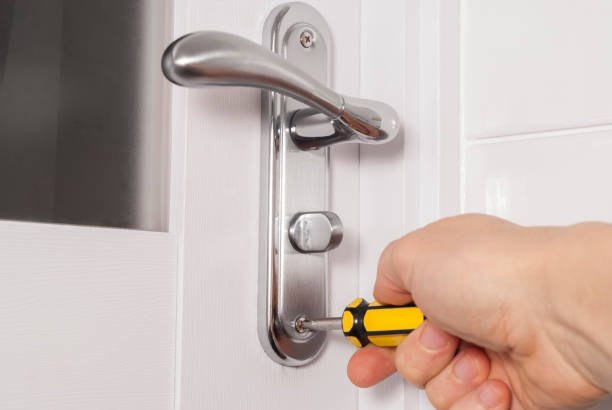
Stay Calm and Check the Obvious
Start by checking whether another legitimate entry point is available.
If you’re locked out of your home, check whether another door or window was intentionally left accessible. Don’t force anything or climb through an unsafe opening.
For rental properties, contact the landlord or property manager if they have an authorized spare key. Small business owners may also have another employee or manager who can provide access.
I’ve found that people often overlook the simplest solution because they’re frustrated. Take a minute, retrace your steps, and think about where the key was last used.
Don’t Force the Lock
One of the biggest mistakes during a lockout is trying to force the door open.
Using tools, kicking the door, or attempting improvised methods can damage the lock, door frame, weather stripping, or hardware. On some doors, the damage can become more expensive than the original lockout.
Older homes and rental properties can be particularly sensitive because door hardware may already have years of wear.
If the key is stuck, broken, or won’t turn, stop applying excessive pressure. The problem may be a damaged key, worn cylinder, misalignment, or internal lock failure.
Look for Signs of a Bigger Problem
A lockout isn’t always just a missing key.
Before calling a locksmith near me, look at what the lock is doing.
Ask yourself:
- Did the key break inside the lock?
- Does the key enter but refuse to turn?
- Did the door suddenly stop latching?
- Is the deadbolt difficult to operate?
- Did the lock recently become harder to use?
- Is there visible damage around the lock?
These details can help a technician understand what happened before arriving.
A lock that has been getting harder to turn for several weeks may have been showing signs of failure long before the lockout occurred.
Be Careful With DIY Lockout Methods
There is plenty of lockout advice online, but not every method is appropriate for every door.
A technique that works on an inexpensive interior lock may damage a residential deadbolt or commercial-grade hardware. Smart locks can create a different set of problems altogether.
For homeowners, the safest approach is usually limited to checking authorized entry options and manufacturer-approved procedures.
If you’re dealing with a smart lock, check whether the manufacturer provides an emergency access method or backup key option. Avoid experimenting with the internal electronics unless the manufacturer specifically recommends it.
What Landlords and Property Managers Should Do
Lockouts are especially common in rental properties.
Property managers can reduce problems by keeping an updated record of authorized keys, documenting who is allowed access, and making sure locks are maintained between tenants.
When a tenant loses a key, don’t automatically assume making another copy is the best solution. Depending on the circumstances, rekeying the lock may make more sense.
I’ve seen property owners wait until a lockout happens before addressing worn hardware. Regular inspection is usually easier and less expensive than dealing with a failed lock at an inconvenient time.
What Small Businesses Should Consider
A commercial lockout can affect more than one person. Employees may be waiting outside, customers may be unable to enter, and normal operations can stop.
Business owners should have a basic access plan that identifies who has authorized keys and who should be contacted during an emergency.
If a commercial door suddenly won’t open, don’t repeatedly force the handle or panic bar. Hardware problems can involve the latch, hinges, alignment, cylinder, or access-control system.
A professional Richmond locksmith can determine whether the issue is simply a lockout or a hardware problem that needs attention.
When to Call a Locksmith
Sometimes professional assistance is the safest and most practical option.
Consider contacting an experienced indiana locksmiths near me when:
- Your keys are locked inside
- A key has broken inside the lock
- The lock won’t turn
- The door or frame appears damaged
- A smart lock isn’t responding
- You have no authorized spare key
- A commercial access system has failed
When choosing a locksmith, look for clear identification, straightforward communication, and a willingness to explain the problem and available options.
If you search for locksmith richmond, focus on finding a legitimate local provider rather than choosing solely on the first result you see.
A Simple Lockout Plan Can Prevent Bigger Problems
Getting locked out is frustrating, but it doesn’t have to become a major repair.
Take a moment to check authorized entry options, avoid forcing the lock, identify what went wrong, and gather useful information before requesting help.
For homeowners, landlords, property managers, and small business owners in Richmond, having a spare-key plan and keeping door hardware maintained can prevent many emergency situations.
The best response to a lockout is rarely the fastest or most aggressive one. It’s the one that gets you back inside without creating a second problem along the way.