Water damage has a way of making homeowners panic. You see water on the floor, a ceiling stain, or a burst pipe, and the first thought is usually, “How do I get this cleaned up?”
After years of dealing with damaged properties, I’ve found that the first few hours matter more than most people realize. The goal isn’t simply to remove visible water. You also need to stop the source, protect people from hazards, and find moisture that may have moved into places you cannot see.
For homeowners, landlords, property managers, and business owners in Portland, knowing what to do first can prevent a manageable problem from becoming a much larger restoration project.
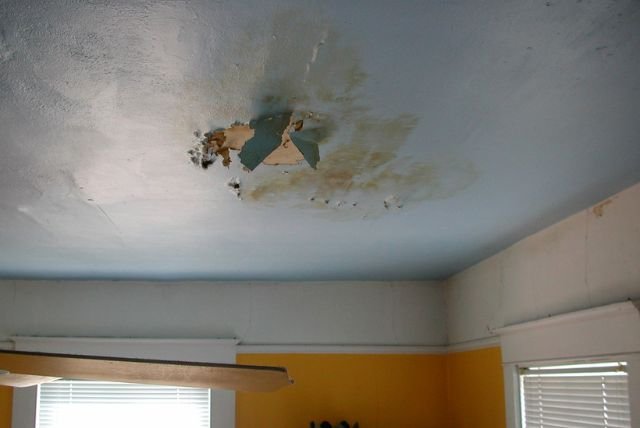
Stop the Source of Water First
If you can safely identify where the water is coming from, stop it.
For a burst supply line, that may mean shutting off the property’s main water supply. For an appliance leak, you may be able to close the appliance valve. If water is coming through the roof, however, getting onto a wet roof yourself isn’t worth the risk.
One mistake I see often is starting cleanup while water is still entering the property. You can remove buckets of water, but if the source hasn’t been controlled, you’re fighting a losing battle.
Deal With Electrical Hazards Carefully
Water and electricity are a dangerous combination.
If water has reached electrical outlets, appliances, extension cords, electrical panels, or wiring, don’t walk through the affected area trying to unplug everything. Leave electrical work to someone qualified.
Keep children and pets away from standing water until you know the area is safe.
This is particularly important with basement flooding and major plumbing failures, where water can spread farther than it initially appears.
Remove Standing Water When It’s Safe
Once the source is controlled and the area is safe, removing standing water should be a priority.
Small amounts of clean water may sometimes be handled with towels, buckets, or a wet vacuum designed for water extraction. Don’t use a regular household vacuum for standing water.
For larger losses, professional extraction equipment can remove considerably more water and help reduce the amount that soaks into flooring and building materials.
That’s where water damage restoration becomes more than simply drying a wet floor. The restoration process is about identifying how far the moisture has traveled and getting affected materials dry.
Don’t Assume the Visible Damage Is the Whole Problem
This is probably one of the biggest lessons I’ve learned from restoration work.
Water doesn’t always stay where you can see it.
It can move underneath flooring, behind baseboards, into drywall, beneath cabinets, and through insulation. A small wet spot on the floor may have a much larger moisture footprint underneath it.
In Portland, seasonal rain and damp conditions can make moisture problems especially frustrating when exterior water intrusion is involved. A leak that appears minor may continue affecting building materials if the underlying source isn’t corrected.
Start Drying, But Know What You’re Drying
Fans can help with air movement, but simply pointing a fan at a wet wall isn’t always enough.
You need to understand what materials have absorbed moisture and whether the affected area can actually dry. Professional restoration technicians commonly use moisture meters and other equipment to determine whether walls, flooring, subfloors, and other materials remain wet.
This matters because materials can feel dry on the surface while retaining moisture underneath.
If drywall, insulation, hardwood flooring, or other porous materials have been significantly affected, professional assessment is often worthwhile.
Watch for Signs of Secondary Damage
The longer materials stay wet, the greater the chance of additional problems.
Watch for:
- Musty odors
- Bubbling or swelling drywall
- Warped flooring
- Staining
- Peeling paint
- Soft areas in floors or walls
- Persistent moisture around cabinets or baseboards
Don’t automatically assume a musty smell means mold, but don’t ignore it either. Persistent moisture needs to be identified and corrected.
Document the Damage Before Making Major Changes
Take photographs and videos before throwing damaged materials away or starting major demolition.
Photograph the source of the water if visible, affected rooms, flooring, walls, ceilings, furniture, appliances, and personal belongings.
If you’re working with an insurance company, this documentation can be useful when discussing the loss and determining what needs to be repaired or replaced.
For landlords and property managers, keeping a clear record is especially useful when multiple contractors or occupants are involved.
When Should You Call a Restoration Professional?
Not every small leak requires a restoration company.
But I’d consider professional help when water has affected multiple rooms, soaked structural materials, entered wall cavities, reached electrical components, contaminated the property, or remained for an extended period.
Professional Water Restoration Services in Portland, OR can help determine the actual extent of moisture rather than relying only on what is visible.
A proper assessment can also help answer an important question: what can be dried and restored, and what actually needs to be removed?
The First Few Decisions Matter
After water damage, don’t focus only on making the property look dry.
Stop the source, make sure the area is safe, remove standing water when appropriate, document the damage, and determine where moisture has traveled. Those steps give you a much better starting point for recovery.
For homeowners and property managers dealing with water damage restoration, the biggest mistake is often waiting because the damage doesn’t look serious.
Final Thought: If water has entered your home, act quickly, but don’t rush blindly. Controlling the source and understanding where the moisture went are usually more important than making the floor look dry as fast as possible.
Just downloaded the app and it is working perfectly on my Android. No lag and very easy to navigate. Highly recommend winplusappapk for anyone who prefers mobile gaming.
I’m really impressed with the win rates here. It feels much fairer than other sites I’ve tried. Definitely spending more time on krkcwin24 from now on.
[8874]good 1111 লগইন এবং অ্যাপ ডাউনলোড | বিকাশ অনলাইন ক্যাসিনো,good 1111 লগইন করুন এবং সেরা অনলাইন স্লট গেম উপভোগ করুন। বিকাশ দিয়ে অনলাইন ক্যাসিনো ডিপোজিট করে লাইভ ক্যাসিনো বোনাস অফার লুফে নিতে আজই জয়েন করুন। visit: good 1111
Great platform with very fair odds. I appreciate the transparency and the quick customer support. krikia11 is a winner.
The bonus offers here are just insane. I managed to double my initial deposit within an hour. You guys should really try bd09bte if you love rewards.