When a major storm passes, the first instinct is usually to start cleaning up. After years of seeing storm-damaged properties, I’ve learned that the first few hours can make a big difference in how much damage a home or business ultimately experiences.
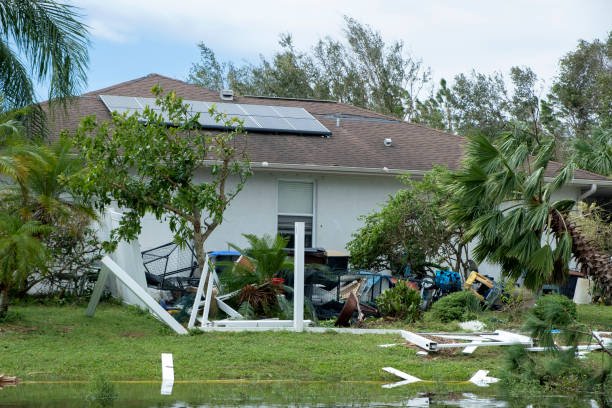
Storm damage can involve much more than a broken window or a few missing shingles. Wind-driven rain, roof leaks, flooding, fallen trees, damaged electrical systems, and trapped moisture can create problems that are not obvious during the first inspection. Knowing what to do immediately can help protect the property and make the Storm Damage Restoration process much easier.
1. Make Sure the Property Is Safe
Before checking the damage, make sure it is safe to enter. Stay away from downed power lines, damaged electrical equipment, unstable walls, sagging ceilings, and areas with standing water near electrical outlets or appliances.
If you smell gas, see major structural damage, or suspect an electrical hazard, leave the property and contact the appropriate emergency professional.
Safety comes before cleanup. There is no benefit in entering a damaged structure and getting injured.
2. Stop Additional Damage When It Is Safe
Once the property is safe, look for problems that could continue causing damage.
A damaged roof can allow rainwater to keep entering the building. A broken window can expose the interior to additional wind and rain. Standing water can migrate into flooring, drywall, cabinets, and wall cavities.
Temporary measures such as placing a container under an active leak or covering a broken opening may help, but only when they can be done safely. Roofs, electrical systems, and structural components should not be treated as DIY projects after a severe storm.
This is one reason Storm Damage Restoration often begins with emergency stabilization rather than immediately replacing damaged materials.
3. Document Everything Before Cleaning Up
Take photographs and videos of damaged rooms, ceilings, walls, flooring, appliances, furniture, exterior areas, roofing, windows, fences, and other affected property.
Try to photograph the damage from several angles. If possible, keep damaged materials until they have been documented and your insurance representative or restoration professional has advised you about disposal.
Property owners should also keep receipts for reasonable temporary expenses related to protecting the property.
Good documentation creates a record of what happened and can make conversations with insurance companies, contractors, and property managers much easier.
4. Look for Hidden Water Damage
One of the problems I see repeatedly after storms is damage that isn’t immediately visible.
Drywall may look fine from the outside while insulation and framing behind it remain wet. Flooring can hold moisture underneath. Cabinets can absorb water along their lower sections, and water can travel considerably farther from the original leak.
In warm, humid environments, wet materials can become a bigger problem if they are left untreated. Moisture mapping, moisture meters, and inspection of affected cavities can help determine how far water has traveled.
This is where professional Storm Damage Restoration can be useful. The goal isn’t simply to make the property look dry. The underlying moisture needs to be identified and addressed.
5. Check the HVAC and Electrical Systems Carefully
Storms can affect air-conditioning equipment, electrical panels, wiring, generators, appliances, and other mechanical systems.
Do not turn on equipment simply to see whether it works if it has been exposed to water. Electrical components and HVAC equipment may require inspection before being energized.
For commercial properties, this step is particularly important because a damaged mechanical or electrical system can affect employees, customers, inventory, and business operations.
Property managers should also document damage to common areas and coordinate inspections for tenants when appropriate.
6. Contact Your Insurance Company and Restoration Professionals
Once immediate safety concerns are handled, notify your insurance company and begin arranging appropriate inspections.
A good restoration assessment should identify the source of damage, affected materials, moisture levels, areas requiring removal, and steps needed to prevent further deterioration.
For homeowners, the priority is protecting the structure and belongings. For commercial property owners and landlords, the process may also involve tenant communication, business interruption concerns, and coordinating multiple contractors.
Vehicle owners should also remember that storm damage isn’t limited to buildings. Floodwater, falling branches, hail, and wind can damage vehicles. Photograph the vehicle before moving or cleaning it extensively and follow the insurer’s instructions.
Don’t Rush the Cleanup
The biggest mistake after storm damage is assuming that visible damage represents the entire problem.
A ceiling stain may indicate a much larger roof or moisture issue. A wet floor may have affected the subfloor underneath. A damaged wall may contain wet insulation that cannot simply be dried from the surface.
The immediate goal should be safety, documentation, stabilization, and a proper assessment. From there, the right Storm Damage Restoration plan can be developed based on the actual condition of the property rather than what is visible at first glance.
Taking those steps early can prevent a stressful storm event from turning into a much larger repair problem later.
Simple, clean, and rewarding. I love the daily promotions they offer to loyal players. Give brsh777 a shot!
I have been searching for a reliable platform for months and this one actually delivers. The promotions are honest and the support team replies within minutes. A solid pick for both newbies and veterans. mmsbotop
Finally found a platform that actually treats players right. The bonuses are generous and the support team is very helpful. Give phcrown44ph a try.
The community here is great and the promotions are always exciting. It feels like a premium experience every time I log in to phjilipark22.
Just joined a few days ago and I am already loving the community and the rewards. It feels like a very welcoming place. Check out vn15uy88 today.
The registration was so quick and the welcome bonus is actually generous. I am really enjoying the slot variety here. Definitely visit 55vip777loginregister to get started.