A transponder key can cause trouble without showing obvious signs of damage. You may turn the key in the ignition and find that the engine will not start, or your vehicle may start normally one day and fail to recognize the same key the next. These problems can be frustrating, especially when you need to get to work, open a business, or manage a busy property.
A transponder key contains a small electronic chip that communicates with the vehicle’s immobilizer system. If the vehicle cannot verify the chip, it may prevent the engine from starting. The issue could involve the key itself, the vehicle battery, the ignition reader, or the security system.
Knowing when to troubleshoot and when to contact a professional can save time and prevent unnecessary replacement costs.
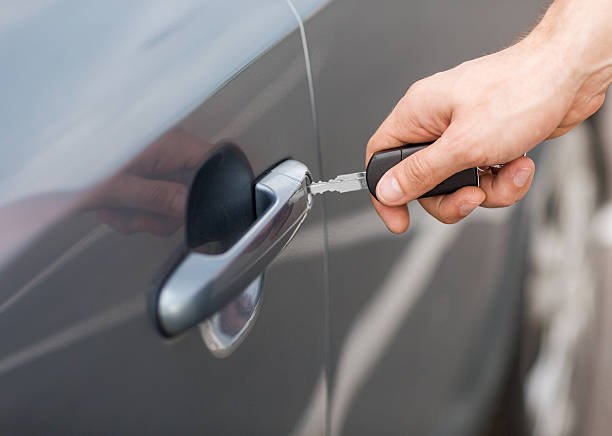
1. Your Vehicle No Longer Recognizes the Key
One of the clearest signs of a transponder key problem is when the vehicle refuses to start even though the key fits correctly. You may notice a flashing security light, an immobilizer warning, or an engine that cranks but does not start.
Start by checking the owner’s manual for the meaning of any warning lights. If you have a spare key, try it once under normal starting conditions. If the spare works, the original key may be damaged, incompatible, or no longer properly registered.
If neither key works, the problem may be with the vehicle’s immobilizer system or transponder reader rather than the keys themselves. A locksmith service with automotive diagnostic capabilities can help distinguish between these possibilities.
2. A Replacement Key Will Not Start the Car
A replacement key can look identical to the original and still be unsuitable for your vehicle. Transponder chips vary by vehicle make, model, year, and security system. Cutting the metal blade correctly does not guarantee that the electronic chip will be recognized.
This issue often arises after purchasing a replacement key online or buying a used vehicle with an aftermarket spare.
Before ordering another key, confirm that the part and chip type match your vehicle. If you are searching for programming auto key near me, look for an automotive locksmith who can verify compatibility and determine whether the key needs programming, replacement, or further testing.
3. Your Key Works Intermittently
If the vehicle recognizes your key sometimes but not consistently, pay attention to when the problem occurs. A damaged transponder, worn key housing, electrical fault, or issue with the vehicle’s reader could be responsible.
For smart keys and remote fobs, a weak fob battery may also affect certain functions. However, the remote battery and the transponder chip are not necessarily the same component, so replacing the battery may not resolve an immobilizer problem.
Avoid repeatedly turning the ignition or trying random programming procedures. Record any warning lights and note whether the issue happens with one key or every available key. These details can help a technician narrow down the fault.
4. You Have Lost Your Only Working Key
Losing the last working key is a good reason to contact a professional rather than attempting a do-it-yourself solution. Some vehicles require specialized diagnostic equipment or authorized security access to register a new key when no original key is available.
The process may involve verifying vehicle ownership, identifying the correct key, cutting it to match the lock, and programming it to the immobilizer. The exact procedure depends on the vehicle.
If you need a transponder key near me, have your vehicle identification number, registration, and identification available where required. Do not share vehicle security details with an unverified provider.
5. Your Business or Property Operations Are Being Disrupted
Transponder key problems are not limited to individual drivers. Small businesses may rely on company vehicles for deliveries, maintenance, or service calls. Property managers and commercial operators may also coordinate several vehicles and authorized drivers.
When a key fails, first establish whether the issue affects one key or multiple keys. Keep a record of which keys work, avoid circulating unverified duplicates, and arrange professional diagnosis before replacing several keys unnecessarily.
For fleet operators, maintaining a secure record of issued keys and spare-key locations can reduce disruption. Any replacement or programming work should follow the vehicle manufacturer’s security requirements.
What Should You Check Before Calling a Locksmith?
Before arranging service, gather a few basic details:
- Vehicle information: Make, model, year, and, if requested, the VIN.
- Key symptoms: Does the key unlock the doors, operate the remote, or start the engine?
- Warning indicators: Note any security light or immobilizer message.
- Spare-key results: Determine whether another known-working key starts the vehicle.
- Recent events: Mention a weak battery, key damage, water exposure, or recent replacement.
Do not dismantle the ignition, bypass the immobilizer, or attempt unfamiliar programming sequences. These actions can introduce additional problems or compromise vehicle security.
How to Choose the Right Locksmith Service
When comparing providers, ask whether they work with your vehicle’s make and model, can test key compatibility, and have equipment suitable for diagnosing transponder-related faults. Also confirm the service scope and any charges before authorizing work.
If you are looking for a locksmith service in Richmond, Indiana, Lok Out Shop can be contacted to discuss automotive key needs and determine whether the required service is available. Explain the symptoms clearly so the provider can assess the next step.
Frequently Asked Questions
Can a locksmith program a transponder key?
Yes, many automotive locksmiths can program compatible transponder keys. Availability depends on the vehicle’s make, model, year, security system, and the equipment required.
Does a transponder key need replacement if it stops working?
Not always. The problem may involve programming, the vehicle battery, the immobilizer reader, or another electrical component. Diagnosis helps determine whether replacement is necessary.
Is it safe to keep trying a key that the car does not recognize?
A few normal checks are reasonable, but repeated attempts or unfamiliar programming procedures are not recommended. If the problem persists, stop and seek professional diagnosis.
Transponder key problems are easier to resolve when the actual cause is identified before parts are replaced. Whether you have an intermittent starting issue, a failed replacement key, or no working key at all, a qualified professional can help determine the appropriate solution while protecting your vehicle’s security.