A drain gets clogged again a few weeks after cleaning. A toilet keeps running despite replacing a few internal parts. A small pipe leak returns in another section of the house. If these situations sound familiar, your plumbing system may be dealing with something more serious than an isolated problem.
In my experience working with residential and commercial plumbing systems, recurring issues often happen because the original cause wasn’t fully identified. Fixing the visible symptom can restore normal operation temporarily, but it doesn’t always address what’s happening inside the pipes.
For homeowners, landlords, property managers, and business owners in Vancouver, WA, recognizing these patterns can help prevent expensive water damage and unexpected plumbing disruptions.
Here are six reasons your plumbing problems might keep returning and what you can do about them.
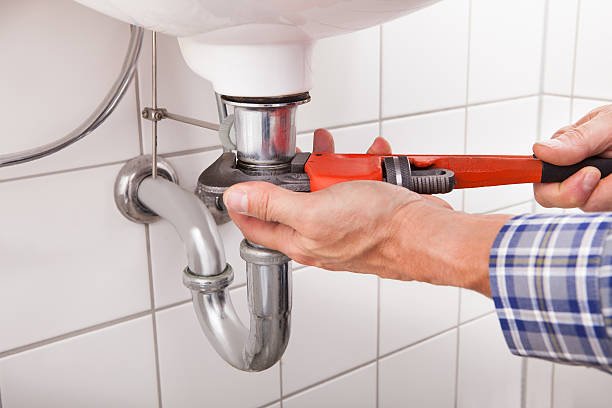
1. Repeated Drain Clogs May Indicate a Deeper Blockage
A kitchen sink that drains slowly often has grease, food particles, and soap residue collecting inside the drain. Bathroom drains commonly develop blockages from hair, toothpaste, and personal care products.
However, when the same drain keeps clogging after cleaning, there may be buildup farther down the drainage system.
One thing I usually check is whether the problem affects one fixture or several. If multiple sinks, toilets, and showers are draining slowly, the blockage may involve a shared drainage line or the main sewer pipe.
Watch for these warning signs:
-
Water backing up into a bathtub when flushing a toilet.
-
Gurgling sounds from nearby drains.
-
Several fixtures draining slowly at once.
-
Blockages returning shortly after cleaning.
A professional drain inspection can help determine whether cleaning is sufficient or whether sewer line repair is necessary.
2. Hidden Pipe Leaks Can Cause Ongoing Property Damage
Not every plumbing leak produces visible water. Some develop behind walls, underneath floors, or inside cabinets, where they can go unnoticed for weeks.
I’ve found that homeowners sometimes mistake early leak symptoms for condensation or unrelated moisture problems.
Common signs include peeling paint, damp drywall, musty smells, unexplained water bills, and moisture around plumbing connections.
Vancouver, WA, experiences wet seasonal weather, which can make it harder to distinguish plumbing leaks from moisture entering through roofs, foundations, or exterior walls.
If you suspect a leak, inspect accessible plumbing connections and check your water meter after turning off water-using fixtures. Unexpected meter movement can indicate a leak, although professional testing may be needed to confirm its location.
Professional leak repair services can address the source before continued moisture damages surrounding materials.
3. Constantly Running or Clogged Toilets May Have Different Causes
Toilet problems are common in both residential and commercial properties.
A constantly running toilet often has a worn flapper, faulty fill valve, or incorrectly adjusted tank components. These problems can waste a surprising amount of water over time.
Repeated toilet clogs may have a different cause. Excessive toilet paper, unsuitable objects, restricted drainage, or a deeper sewer blockage can all contribute.
One mistake homeowners often make is repeatedly flushing a toilet that is already backing up. This can cause wastewater to overflow onto the bathroom floor.
If a toilet continues running after basic adjustments or repeatedly clogs during normal use, have the fixture and connected drainage system inspected.
4. Aging Pipes May Be Causing Repeated Plumbing Failures
Plumbing pipes deteriorate at different rates depending on their material, installation quality, water conditions, and maintenance history.
Older properties may contain galvanized steel, copper, cast iron, or other piping materials that develop problems over time.
For example, galvanized pipes can experience internal corrosion that gradually reduces water flow. Older metal pipes may also develop leaks, weakened joints, or restricted passages.
Replacing one damaged section might solve an immediate problem, but widespread deterioration can require a more permanent approach.
This is where re-piping plumbing services may be worth considering. Whole-house repiping involves replacing deteriorated water supply piping rather than repeatedly repairing individual failing sections.
Before making that decision, a qualified plumber should evaluate the pipe material, water pressure, visible condition, and extent of deterioration.
5. Sewer Line Problems Can Affect Your Entire Plumbing System
When several plumbing fixtures begin backing up simultaneously, the main sewer line deserves attention.
Underground sewer pipes can develop cracks, separated joints, root intrusion, or collapsed sections. Tree roots can enter through small openings and gradually restrict wastewater flow.
We’ve seen homeowners repeatedly clear individual drains without realizing that the actual problem was farther down the sewer system.
Warning signs include:
-
Multiple drains backing up together.
-
Persistent sewage odors.
-
Toilets bubbling when other fixtures are used.
-
Repeated wastewater backups.
-
Unusually wet areas around the sewer line.
A sewer camera inspection can help identify whether the problem is a removable blockage or structural pipe damage.
If sewage is backing up into your property, stop using unnecessary water and arrange professional assistance promptly.
6. Delaying Professional Repairs Can Make Small Problems Worse
A minor plumbing issue doesn’t always require an emergency visit, but ignoring recurring symptoms can increase the risk of property damage.
For example, a small leak can gradually damage cabinets, flooring, and drywall. A partially blocked sewer line may eventually cause wastewater to back up into a bathroom or basement.
Contact an emergency plumber Vancouver WA when you experience:
-
A burst pipe or rapidly spreading water leak.
-
Uncontrolled water escaping from plumbing.
-
Sewage backing up into occupied areas.
-
Multiple fixtures experiencing sudden drainage failures.
-
A plumbing problem that threatens significant property damage.
For less urgent issues, arranging an inspection early can help prevent repeated repairs.
Final Thoughts
Recurring plumbing problems are usually a sign that something needs a closer look. A drain that keeps clogging, a toilet that repeatedly malfunctions, or another leaking pipe shouldn’t automatically be treated as an unrelated incident.
The most effective approach is to identify the underlying cause before choosing a repair. Depending on the findings, the solution may involve drain cleaning, leak repair services, sewer line repair, or re-piping plumbing services.
For Vancouver, WA, property owners, paying attention to early warning signs and maintaining plumbing systems can help avoid unnecessary disruptions and costly damage.
A simple rule I always recommend is this: if the same plumbing problem keeps returning, stop treating the symptom and find out what’s causing it. A proper diagnosis is the first step toward a lasting solution.